DIY Hydroponics: Greens from a Four-Foot Corner in January
Grow fresh greens all year in a four-foot corner: the full step-by-step blueprint.
See the 4 Foot Farm BlueprintA gray winter evening, and the store lettuce in the drawer has already gone limp. The window still has a strip of floor beside it, about four feet end to end. DIY hydroponics is the idea that fills that strip: a small indoor setup, roots in water and nutrients, leaves you cut for the salad while the sidewalk is frozen. Tomatoes later, once the greens have taught you the rhythm. Most days the pump runs and you walk past it on the way to the kettle.
The Complete 4 Foot Farm Blueprint is the written plan for that corner. The guide says it walks the build in order: a step-by-step layout for a four-foot footprint, a parts list, then setup and care so the first tub is running by the end of a weekend. You follow the pages. You fill the reservoir. You pick the first leaves in the same room where you started.

A compact setup. Tap to look inside the blueprint.
How a simple four-foot setup works
DIY hydroponics grows plants in water and a nutrient mix, with the roots held in a compact reservoir instead of a bed of soil. For a first build that usually means an opaque tub, a lid with holes, net pots, clay pebbles or rockwool, an air pump and air stone, and a basic nutrient mix. Light comes from the window or a simple grow light on a timer. The whole thing sits on a table or a tray in the corner, off the carpet, where you can see the water line.
Deep water culture is the plain version. Roots hang into the nutrient water. The air stone keeps oxygen moving. A vertical frame can stack more plants later if the floor stays tight. The guide says the blueprint starts with that small footprint and the order of the build, so you learn water and light before you add a second tub. Four feet is enough for herbs and leafy greens, and enough to see how a tomato plant behaves once the system is steady.
Build it in a weekend
Saturday is the clean and the cut. You wash the tub and the lid, mark the holes, and set the net pots so they sit snug. Sunday is the fill: water, nutrients at the seedling rate on the label, a pH check in the leafy-green range, the air stone in, the pump on. A timer gives the light its hours. The guide says the parts list names what to gather before you cut the lid, so the weekend stays on the build.
A first tub can be a 3 to 5 gallon opaque container, four to six net pots, one air stone. That is a table, a tray, and a corner. Lettuce and basil are the friendly start. Tomatoes join when the water stays steady and you already know the color of a happy leaf. The guide says the steps run from day one through the first week of watching, so week two is a small adjustment and the tub stays in place.
Light, water, and a few minutes of weekly care
Leafy greens like a long day of light, about 12 to 14 hours. A bright window can carry them. If the stems stretch tall and pale, a light comes closer or stays on longer. You top up as the level drops. Every week or two you refresh the reservoir so the mix stays even, rinse the tub if a film shows, and keep the lid on so dust stays out. Room temperature around 65 to 75°F suits the beginner crops. The pump does the daily work. Your part is the glance and the top-up.
The guide says the care section is written for that short weekly pass: check the line, check the color, note what the plants drank. Most days you walk past a quiet tub and a timer doing its job. The apartment stays an apartment. The corner just happens to be growing dinner.
What you grow, and how often you cut it
Herbs and leaf lettuce are often ready to pick in a few weeks when light and nutrients stay steady. You cut the outer leaves and leave the center, and the plant keeps offering. Basil for the pasta. A bowl of greens on a Tuesday in January. Tomatoes take longer and reward a system that has already run clean for a round of lettuce. The guide says the blueprint includes what to plant in that four-foot space and how to keep the harvest coming
Picture that gray evening again, same window. The difference is a salad cut from the tub by the glass, picked while the kettle boils. A four-foot indoor setup is built for that: fresh food from a corner, on a rhythm you can keep.
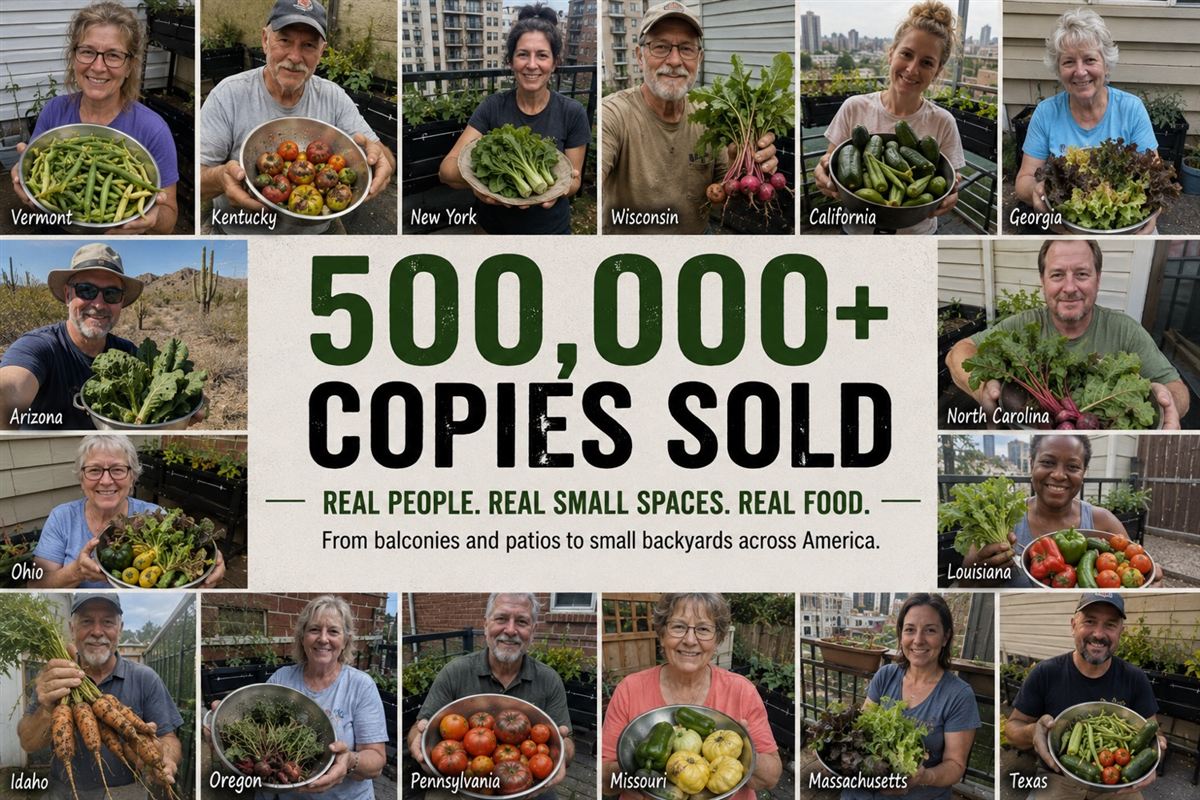
Small-space growers. Tap to look inside the blueprint.
What you get
The Complete 4 Foot Farm Blueprint is the step-by-step plan for this build. The guide says you get the layout for a four-foot growing space, the parts list, and the setup and care so the first tub runs from a weekend start. It also covers what to plant and how to keep cutting greens from the same plants, so the corner keeps producing after the first bowl. You read it on a phone or a laptop, then you build the tub it describes.
Three months from now January salad comes from the window, and the pump is just part of the room. Today, clear the four feet by the glass and set a tray where the tub will sit.
The next limp bag from the store meets a corner that is already growing. The window was free the whole time.
FAQ
What is DIY hydroponics in a small indoor space?
A tub, a lid, net pots, an air stone, nutrients, and light, in about four feet by a window. The blueprint walks that build in order.
Does this fit an apartment?
Yes. A first system sits on a table or in a spare corner. Short crops, lettuce and herbs, suit the first tub. Tomatoes follow once the water stays steady.
What do you receive?
The guide says you receive the step-by-step 4 Foot Farm plan, a parts list, and the setup and care for a small indoor footprint, including how to keep cutting greens from the same plants.